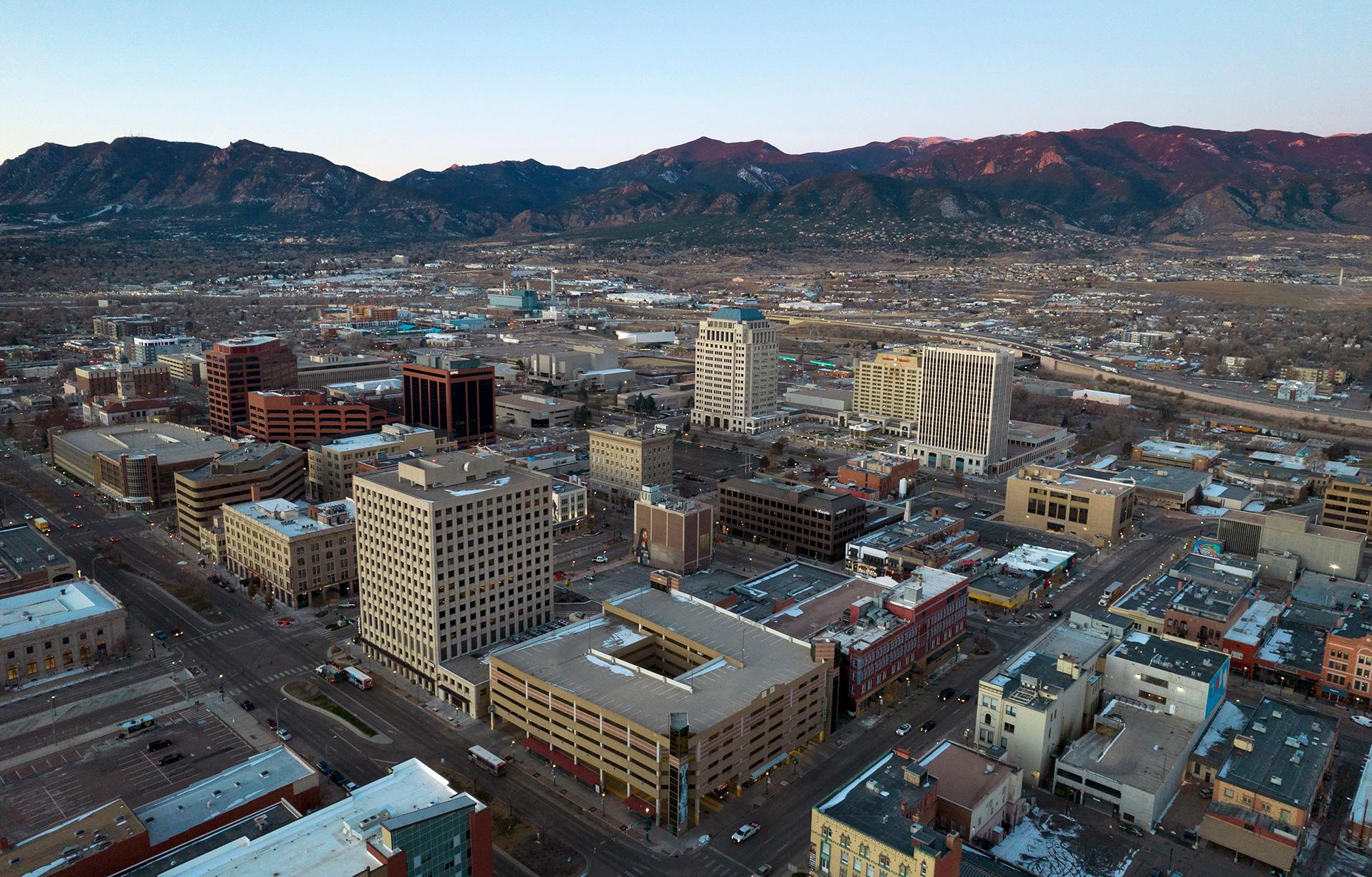
The U.S. Census is coming back to Colorado Springs in 2026 — a few years sooner than usual.
The country’s next full headcount doesn’t happen until 2030, but the Springs has been chosen as one of six locations nationwide for a test run of the processes the Census Bureau has in development.
And right now, the bureau’s biggest focus is refining its recruitment and hiring practices. It’s looking to hire about 1,900 temporary local workers — and fast.
Lacey Loftin is an Austin-based Census Bureau partnership specialist overseeing the test. She said the bulk of that hiring will be conducted this month. The bureau is experimenting with an updated application procedure to streamline getting those temporary employees hired and onboarded.
“It’s one application,” she said. “You apply one time and then you check boxes with things that you’re interested in.”
Loftin said those interested in applying need to be at least 18 years old with access to a vehicle. Those who pass a background check and are hired work flexible hours on nights and weekends. Those employees will train through February and March. Late March is when residents in the testing area will begin receiving the census, and ideally would respond by early April. The bureau intends to wrap up the test by this summer.
Locations picked for the 2026 test were chosen as practice in scenarios where it’s difficult to get a full population assessment
In rural West Texas, for example, large cellular dead zones and other connectivity issues create one set of obstacles. In Colorado Springs, the challenges stem from group quarters, places like college dorms and military barracks where mailing individual questionnaires to each resident becomes impractical.
“So we will make contact with those locations, and then we will figure out the best way to enumerate them,” Loftin said. “That's a place where we really struggle.”
As such, the entire city limits of Colorado Springs are not included. The test region starts north of the U.S. Air Force Academy encompasses much of the city’s downtown core, then stretches widely to the east to include Peterson and Schriever Space Force Bases as well as Fountain and part of Fort Carson.
While the bureau is experimenting broadly with refining its recruitment practices, how the general public fills out the census is not expected to change much. Partly, this stems from the unusual circumstances of the 2020 Census. That count was conducted at the beginning of COVID lockdowns. The bureau hastily adopted procedures they say don’t provide too many relevant lessons for 2030.
“Honestly, we're going to find out from this test if there's any other major changes we need to make,” Loftin said.