Updated at 5:43 p.m. on Friday, Dec. 19, 2025.
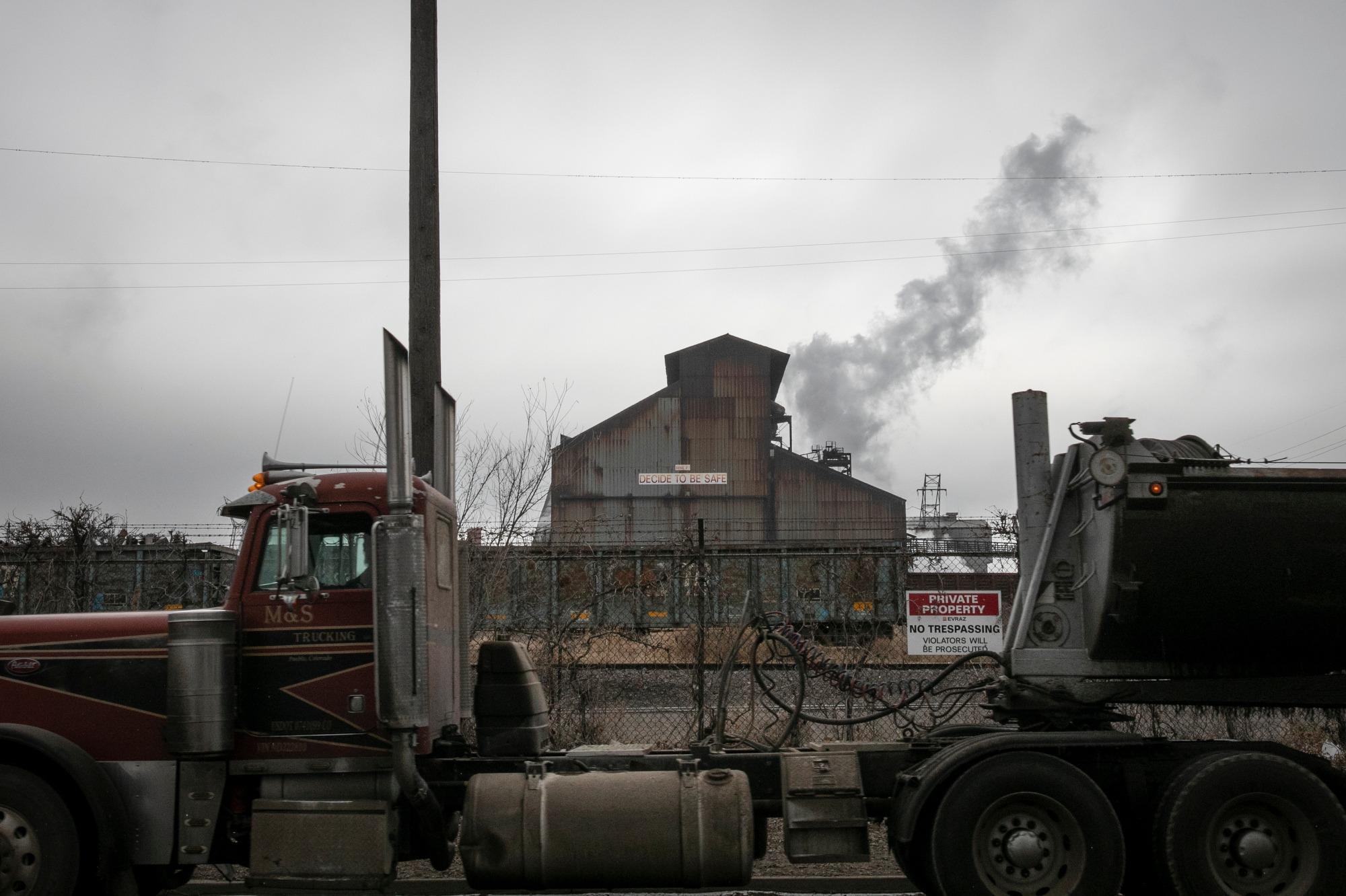
The freight railroad company BNSF says the Rocky Mountain Steel Mill in Pueblo stopped shipping rails for train tracks this fall. That’s according to a recent legal claim filed by the railroad.
The filing says the steel maker demanded an increase of 50 percent above the agreed price. This dispute began shortly after the steel mill was sold by Evraz to investment company Atlas Holdings, which operates the facility as part of its Orion Steel Company.
According to the BNSF filing in the Business Court of Texas, it purchases more than 100,000 tons of rail valued at more than $50 million annually and that an agreement in May 2024 required BNSF to purchase at least 80 percent of its rails from Rocky Mountain Steel for a specific price.
There is not an “immediately available alternative source of rail supply,” according to BNSF.
According to the trade website Trains.com, this action “threatens safety and service because no other domestic rail manufacturer can supply enough rail — and mills in Japan and China require long lead times and their rails are subject to U.S. tariffs and anti-dumping policies.”
The trade publication also reports that Union Pacific railroad has filed a similar claim.
"The railroads’ actions are wholly without legal merit,” Rocky Mountain Steel wrote in a statement. “As the largest supplier of steel rail in the U.S., Rocky Mountain Steel is an essential part of the domestic steel industry. We’ve already seen the closure of Steelton in Pennsylvania this year, the only other fully dedicated rail mill in the country, and the loss of hundreds of United Steelworker jobs there. We requested a reasonable, years-overdue price adjustment to avoid the same result in Colorado. We hope the railroads will choose to reject cheap imported steel and ensure the viability of domestic steel rail production by paying market prices."
Editor's note: This article was updated with a statement from Rocky Mountain Steel.